If you grow a garden, shop at the farmers market, or just want to stop throwing away produce that went bad before you could use it — this guide is for you. Freeze drying vegetables is one of the highest-ROI uses of a home freeze dryer: the raw material is cheap (especially in-season), the shelf life is extraordinary (20–25 years), and the end product reconstitutes beautifully — retaining color, flavor, and up to 97% of nutrients.
But not all vegetables freeze dry equally well. We've run over 40 vegetable batches across a Harvest Right Medium. Here's the ranked truth — what works, what disappoints, and the technique that cuts 4 hours off most cycles.
Best vegetables to freeze dry: Corn, peas, broccoli, spinach, green beans, bell peppers, carrots
Good with blanching: Zucchini, asparagus, kale, beets
Skip these: Cucumbers, lettuce, whole onions (rings/diced = fine), raw potatoes
Shelf life: 20–25 years in mylar + O2 absorbers
Key tip: Blanch most vegetables first — better color, faster cycle, better texture
Who Should Read This Guide
- Gardeners with seasonal vegetable gluts who want zero-waste preservation
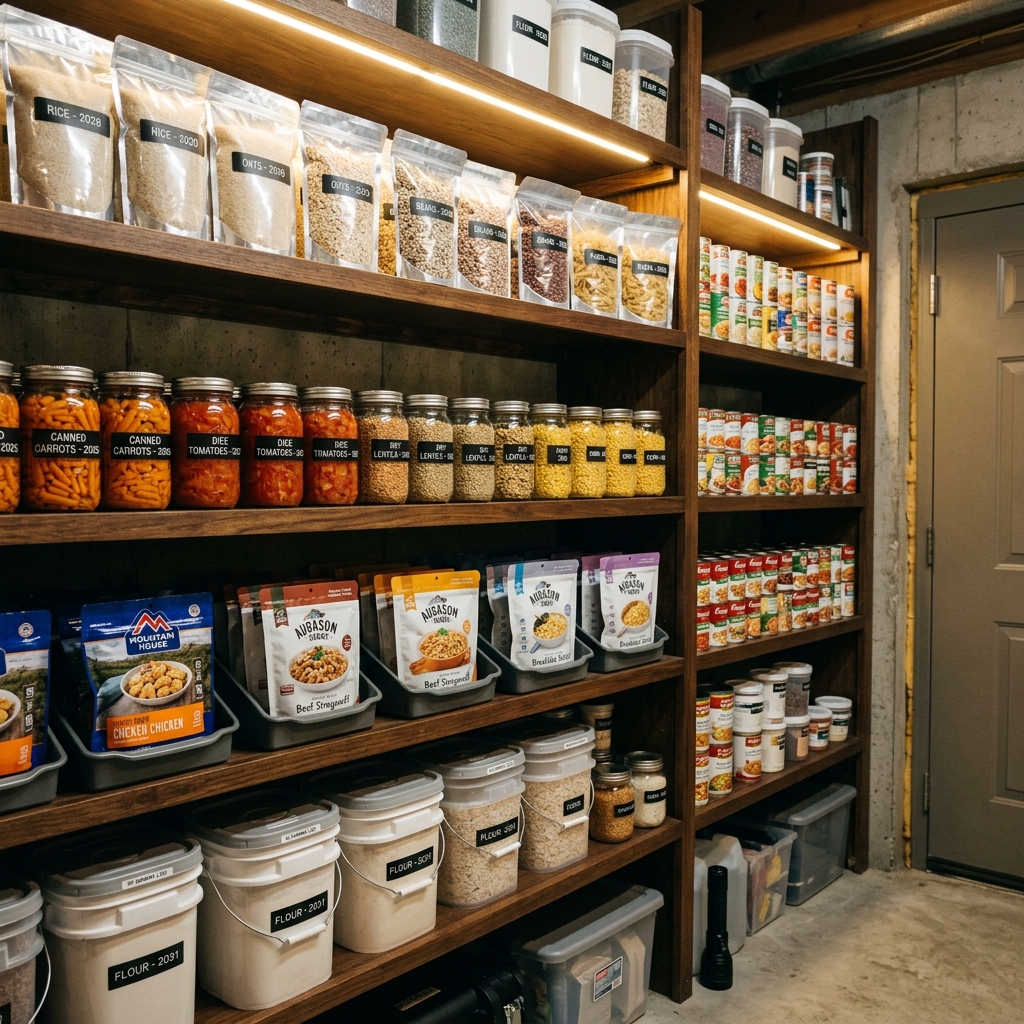
- Preppers & homesteaders building nutritional variety in a long-term food vault
- Meal preppers who want quick-rehydrate vegetables for fast weeknight cooking
- Beginners doing their first vegetable batch and unsure where to start
Vegetable Comparison Table
| Vegetable | Works? | Blanch First? | Shelf Life | Cycle Time | Verdict |
|---|---|---|---|---|---|
| Sweet Corn | ✅ Excellent | Yes (3 min) | 20–25 yrs | 22–26 hrs | ⭐ Best Overall |
| Peas | ✅ Excellent | Yes (2 min) | 20–25 yrs | 22–26 hrs | Top Pick |
| Broccoli | ✅ Excellent | Yes (3 min) | 20–25 yrs | 24–28 hrs | Great |
| Spinach | ✅ Great | Yes (1 min) | 20–25 yrs | 20–24 hrs | Fast & Easy |
| Green Beans | ✅ Great | Yes (3 min) | 20–25 yrs | 24–28 hrs | Excellent |
| Bell Peppers | ✅ Great | No | 20–25 yrs | 22–26 hrs | No prep needed |
| Carrots | ✅ Good | Yes (5 min) | 20–25 yrs | 28–34 hrs | Dense but worth it |
| Zucchini | ⚠️ Good | Yes (2 min) | 15–20 yrs | 24–28 hrs | Thin slices only |
| Kale | ⚠️ Good | Yes (2 min) | 15–20 yrs | 20–24 hrs | Crumbles easily |
| Beets | ⚠️ OK | Yes (15 min) | 15–20 yrs | 28–34 hrs | Long blanch needed |
| Mashed Potato | ✅ Great | N/A (cooked) | 20–25 yrs | 22–26 hrs | Excellent reconstituted |
| Cucumber | ❌ Poor | N/A | 5–8 yrs | 40+ hrs | Skip |
| Lettuce / Cabbage | ❌ Poor | N/A | 5 yrs | 28–34 hrs | Poor texture |
| Raw whole potato | ❌ Poor | N/A | Variable | 40+ hrs | Cook first |
Why Blanching Changes Everything
Blanching is 60 seconds to 5 minutes of boiling followed by an immediate ice bath. It might seem like an extra step — but for most vegetables it's transformational:
- Preserves color: Enzymes that cause browning and discoloration are deactivated. Your freeze dried broccoli stays bright green, not dull olive.
- Cuts cycle time by 3–5 hours: Pre-softened cell walls release moisture more efficiently during sublimation.
- Better reconstitution: Blanched vegetables rehydrate faster and more completely than raw ones.
- Longer shelf life: Enzyme deactivation reduces degradation over time.
The only vegetables that don't need blanching: bell peppers, spinach (optional), and pre-cooked items like mashed potatoes and cooked corn.
Our Top 3 Vegetable Picks (and Why)
1. Sweet Corn — The Crowd Pleaser
Cut fresh corn from the cob, blanch 3 minutes, spread in a single layer. Freeze dried corn is remarkably sweet — the sugars concentrate without water diluting them. It reconstitutes in minutes and is a staple in soups, rice dishes, and eaten as a snack straight from the bag. Best value per dollar of any vegetable we've run.
2. Peas — Fast, Nutritious, Perfect
Peas are small enough that blanching (2 minutes) is the only prep. Spread them in a thin layer and they're done in 22–24 hours. Freeze dried peas are a favorite for kids — they eat them like crunchy little candy balls. Nutritionally dense with protein, fiber, and vitamins A and C all retained beautifully.
3. Spinach — The Speed Champion
Spinach is 91% water and collapses dramatically when freeze dried — one tray of fresh spinach becomes a thin, papery layer. But that's the point: it becomes an ultra-concentrated powder or crumble perfect for adding to smoothies, soups, or scrambled eggs. Fastest cycle of any vegetable (20–24 hours). An enormous nutritional punch for minimal effort.
Pros & Cons of Freeze Drying Vegetables
| ✅ Pros | ❌ Cons |
|---|---|
| 20–25 year shelf life with proper storage | Blanching adds prep time for most vegetables |
| Up to 97% nutrient retention | Machine cost ($2,000–$5,000) |
| Cheap raw material — especially garden surplus | Dense vegetables (carrots, beets) need long cycles |
| Lightweight storage — fraction of original weight | Not all vegetables reconstitute equally well |
| No electricity needed to store (unlike freezer) | Some vegetables (lettuce, cucumber) not worth doing |
What We Found After 40+ Vegetable Batches
Our biggest insight after a year of vegetable batches: frozen vegetables from the grocery store are a secret weapon. They're already blanched and individually quick-frozen (IQF), which means you can pour them straight onto trays and run the cycle. No washing, no blanching, no prep — just load and go. The quality is on par with fresh, and the price is often 40–60% cheaper than fresh equivalents out of season.
Our worst batch: whole cucumber slices. After 44 hours, we got a collapsed, papery disc with zero crunch and strange texture. Some things simply don't work, and cucumber is near the top of that list. By contrast, our best surprise was kale — freeze dried kale chips are genuinely delicious and make for addictive, healthy snacking if seasoned lightly before loading (a small amount of olive oil and sea salt, patted dry, is fine for human food).
Common Mistakes When Freeze Drying Vegetables
1. Skipping blanching for carrots — Raw carrots need 34–38 hour cycles and still reconstitute poorly. Blanch 5 minutes and cut that to 28–30 hours with dramatically better results.
2. Overloading trays — ½ inch depth maximum. Piling vegetables thick creates uneven drying and extends cycles by 6–10 hours.
3. Mixing dense and light vegetables on the same load — Spinach will be overdone by the time carrots are finished. Group similar vegetables by density and water content.
4. Not pre-freezing — Load blanched-then-chilled vegetables directly from the refrigerator or freezer for faster cycles.
5. Opening the door mid-cycle — Every door opening adds moisture and heat, potentially extending your cycle by 1–3 hours.
Frequently Asked Questions
Vegetables are the nutritional backbone of any long-term supply. Pair with our storage strategy guide: Freeze Drying for Long-Term Food Storage → | Best & Worst Foods Overall →
Summary
- ✔ Best vegetables: Corn, peas, broccoli, spinach, green beans, bell peppers, carrots
- ✔ Always blanch first: Corn (3 min), peas (2 min), broccoli (3 min), carrots (5 min), green beans (3 min)
- ✔ Skip: Cucumbers, lettuce, cabbage, raw whole potatoes
- ✔ Secret weapon: Frozen grocery store vegetables — already blanched, no prep, cheaper than fresh
- ✔ Shelf life: 20–25 years in mylar + O2 absorbers, below 70°F
- ✔ Max tray depth: ½ inch — never pile deep
Also read: Best Fruits to Freeze Dry at Home | Long-Term Storage Complete Guide